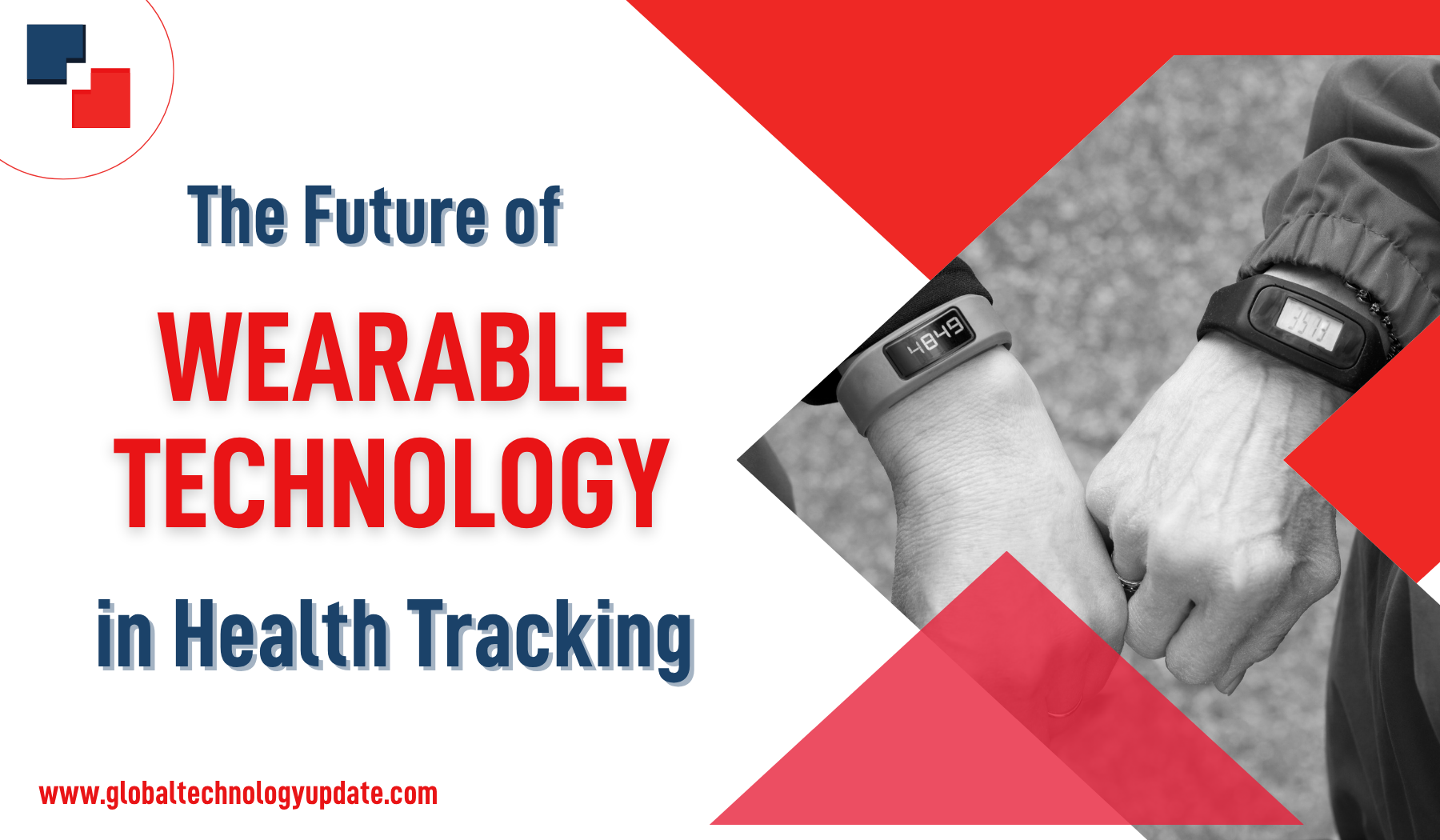
Real-time health tracking and customized care made possible by wearable tech are transforming the healthcare business. Wearable technologies can find signs of depression, track sleep habits, and give specific health data, which can transform how we get medical services.
Benefits of Wearable Technology for Health Tracking
Modern technologies that track different medical data every time and in real time are transforming the medical industry. Find out the most important benefits of health monitoring.
1. Real-time health tracking
Tracking in real time can help determine health issues in advance, like heart palpitations or a shortage of oxygen. Users are immediately notified to take action or contact medical emergency.
2. The assessment of sleeping
Wearable sensors can track a person’s sleeping patterns, allowing for the determination of the three main categories of sleep (light, deep, and REM) as well as the total quality of their sleep. It keeps track of how long a person sleeps, when they wake up, and how long every phase of the sleeping process continues.
3. Flexible notifications and alerts
Wearable technology can help you keep in mind to do a lot of things that are good for your health, such as consuming your medicine when you need to, staying hydrated, engaging in physical activity, and receiving restful sleep. There are a number of technologies that can send notifications about health concerns and emergencies.
4. Reliability of mobile apps
Cloud computing allows wearable devices to send information to mobile devices. Users can track their medical progress by constantly tracking their personal data. These apps usually provide multiple medical data points and numbers that users can read about.
5. Health data flexibility
The data collected and analyzed by wearables applying AI and ML algorithms enables them to offer customized health recommendations. These effects depend on how active the user is, what they do every day, and their health goals.
Wearable Technology Challenges
While wearable tech has a great future, it still faces particular challenges that must be solved before it reaches its full potential.
1. Data security and privacy challenges
Installing secure network features and encryption without impacting the functionality of wearable devices is challenging for their manufacturers.
2. Users’ trust and security
Wearables must be both safe and pleasant so as to be effective on a daily basis. Many people lose their mobile devices because they feel insecure or furious.
3. Inter-Device Communications
Wearable technology can be limited in its effectiveness when devices from multiple vendors are unable to collaborate or maintain guidelines, making the combination more challenging.
4. Cost and Convenience
Investing in top-notch wearable technology, mostly full-featured medical tracker technology, is beyond our financial capability. Many individuals from low-income areas or without health insurance will find it very difficult.
5. Long-term stability and resilience
The majority of people are purchasing wearable devices, but some have concerns about their global effect. The manufacturing and reprocessing of wearable technology can add to the shortage of waste from technology.
Conclusion
Wearable technology represents an important development in the field of health monitoring, as it allows users to monitor, evaluate, and improve their physical fitness in real time. Every single day, it transforms our strategy for healthcare services by offering us accessibility to our smartphones and focused health-related data. These tools have to navigate limitations like user consistency, safeguard data, and price to achieve their ideal performance.