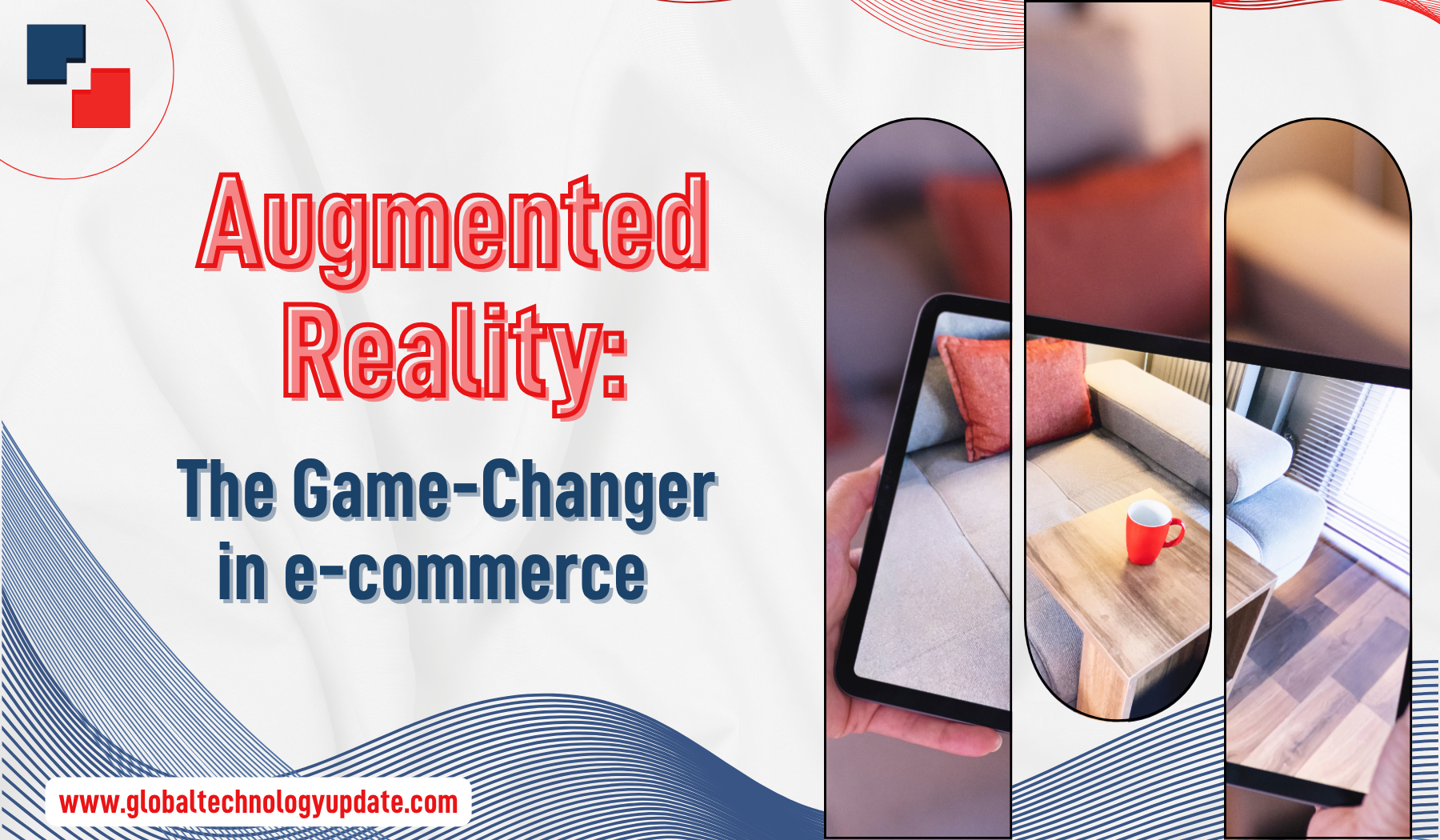
During a pandemic, online shopping can truly simplify our daily lives. We are able to purchase anything, no matter where we are. Also, you can try out any products without leaving your home by experiencing the clothes that you’re interested in buying. But how is that possible?
Augmented reality gives up a world of opportunities. Augmented reality, which has transformed online shopping, is more exciting and engaging. Augmented reality helps consumers engage with your business on the go, while e-commerce helps them purchase from the comfort of their own homes. How will this impact online shopping in the future? Maximize profits!!
New augmented reality (AR) apps for e-commerce will change buying and selling as technology develops. Augmented reality is the way of the future when it comes to online shopping.
Use case of Augmented Reality
Multiple varieties of augmented reality technology are present, each featuring its own set of advantages and disadvantages.
Now, let’s take a look at a basic overview of the most common types of AR-based applications.
1) Augmented Reality using Markers
In augmented reality, this feature—also known as image recognition—offers additional data on the product. Additionally, marker-based augmented reality can identify products directly in front of the camera, throughout its many other uses depending on market requirements. A 3D model of the relevant product is displayed over the marker whenever an augmented reality system finds it. Then, the user can take a better look at the focus from various perspectives.
2. Augmented Reality without Markers
Augmented reality without markers is a popular tool in many fields. Because location-detecting devices are so common in mobile devices, it is sometimes called GPS-based AR.
3. AR expansion
This is the most basic type of AR, it only uses lights expansion onto the surface. Visually attractive and inviting to engagement, expansion-based AR takes use of lights blowing onto the surface to improve hand-based engagement.
4. Superimposition AR
With this augmented reality software, you can view the target from a different angle. A more detailed view of the product is used rather than an entire or restricted image to help these changes. In this case, object detection plays a key part in changing a single perspective of something to a more accurate image.
AR’s Application in E-Commerce
With the use of augmented reality, consumers can virtually try out services and elements before buying them, all in the comfort of their own home and at in their own time. When you use AR in e-commerce, your consumers can try products before they buy them. This allows themselves to select the right decisions for the first time.
1. Virtual solution competition
The overall impacts are highlighted by the limited ratios of conversion. Customers require to be 100% certain of what they purchase and do anything they can to be confident it is exactly what they need.
Customers are more likely to exchange products if they buy it but have issues with them. Augmented reality helps online shoppers understand the products they’re going to buy as well as how they will use them when needed.
2. Choose the location
Customers can review the product’s potential location in their room with the use of a preview selection. Using augmented reality, consumers can visualize the products and how they’re look like in an everyday life situation; this is particularly useful when purchasing furnishings online.
3. In-depth, interactive instruction
By providing relevant information directly on the page, user-friendly instructions engage with how users behave. A number of augmented reality apps can detect the product and then apply text animations and visual indicators to show you where the control buttons are in the actual world.
Using AR e-commerce apps, you can engage with your target audience and clients more deeply and more rapidly, which can help with the conversion of leads and maximize revenues.
How Augmented Reality Will Improve Your E-commerce Sales
Online consumers can be more at ease placing orders with the help of augmented reality, which offers complete information about the product. When improving customers’ understanding of the products they are purchasing and improving product display, augmented reality (AR) comes with the prospective to connect both offline and online shopping.
1. Customization and adaptation
Customers explore multiple options, including websites, applications, and products, before adjusting on a buying decision. Augmented reality has set up new opportunities for customizing in online shopping.
2. Engage Customers
Engaging AR ads can help get customers interested about your newly launched products. Advertisements and engaging information, like this can attract new customers and increase their belief during their purchases.
3. Maximize Earnings
Augmented reality’s use in e-commerce has boosted the smartphone sale percentage from 3.5 percent to 11.1 percent, while delivering more comprehensive product descriptions and leading to more earnings.
4. Cost Savings
Augmented reality has the opportunity to conserve customers costs while making their everyday lives easier and more comfortable. With augmented reality, customers can see how products fit their needs before purchasing.
Final Thought
It can be complicated to figure out how certain kinds of products can look in fact compared to on a mobile or desktop screen, which can make it more challenging to sell them on e-commerce platforms. For this reason, augmented reality apps are highly in demand nowadays, especially because of the new social distancing. Augmented reality (AR) has been viewed by more and more businesses as an opportunity to improve what they offer. Augmented reality can help you learn multiple elements of your business when you use an e-Commerce platform and need to improve it.